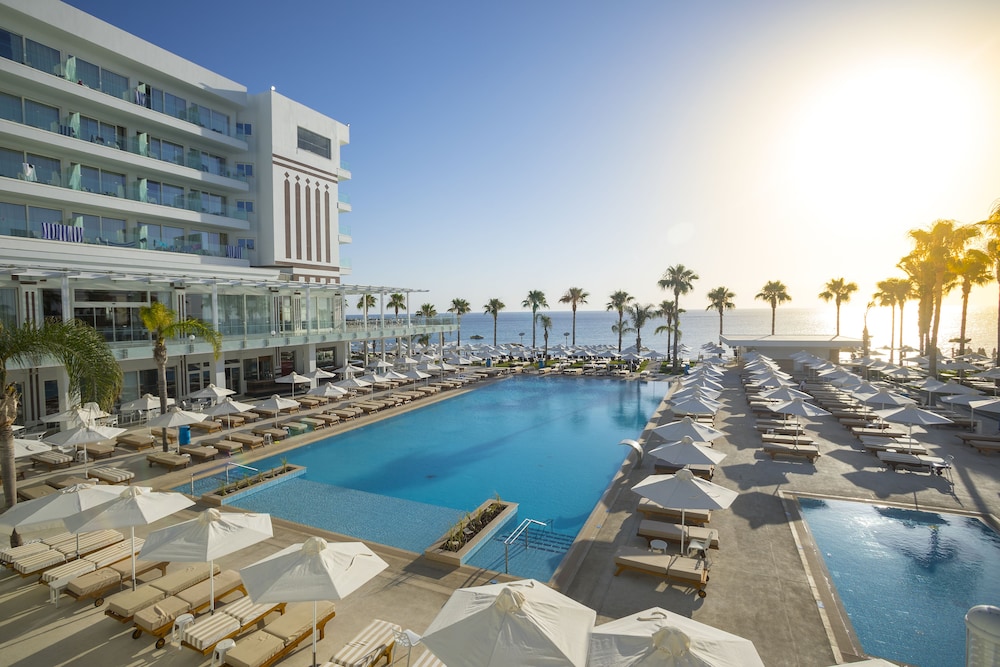
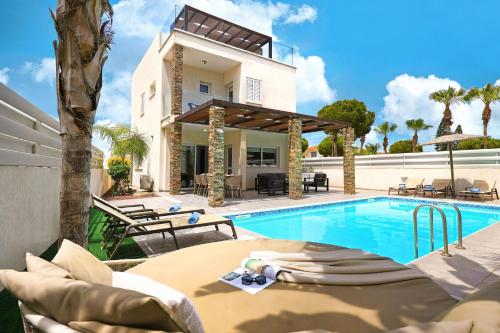
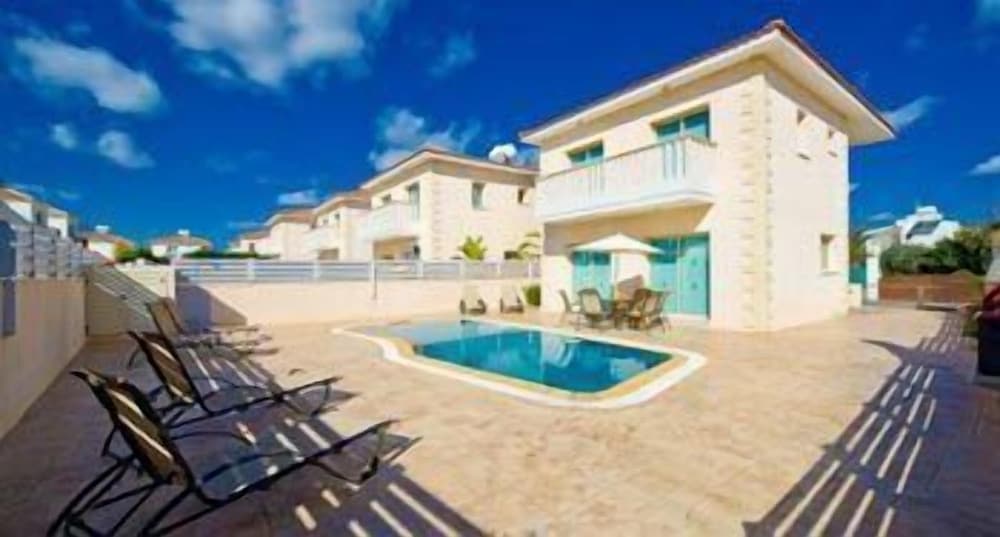
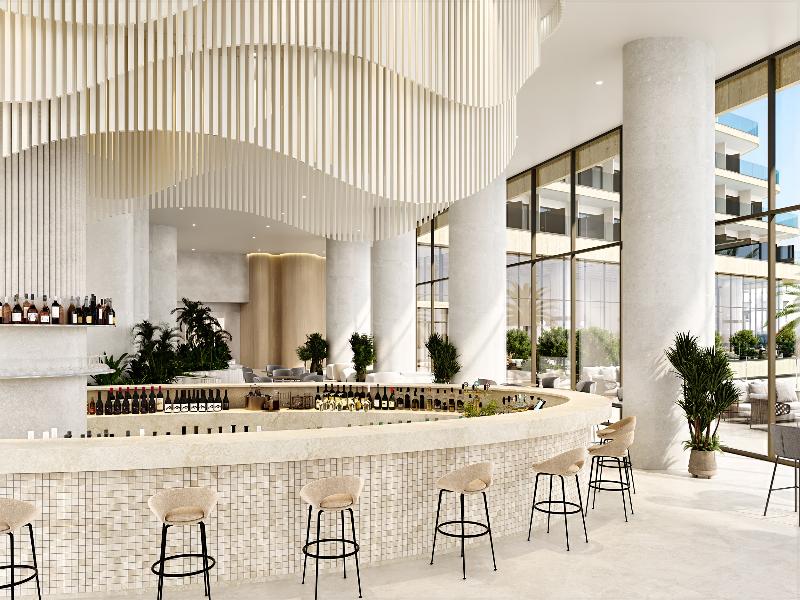
cyprus hotelsea
★★ Protaras · Cyprus
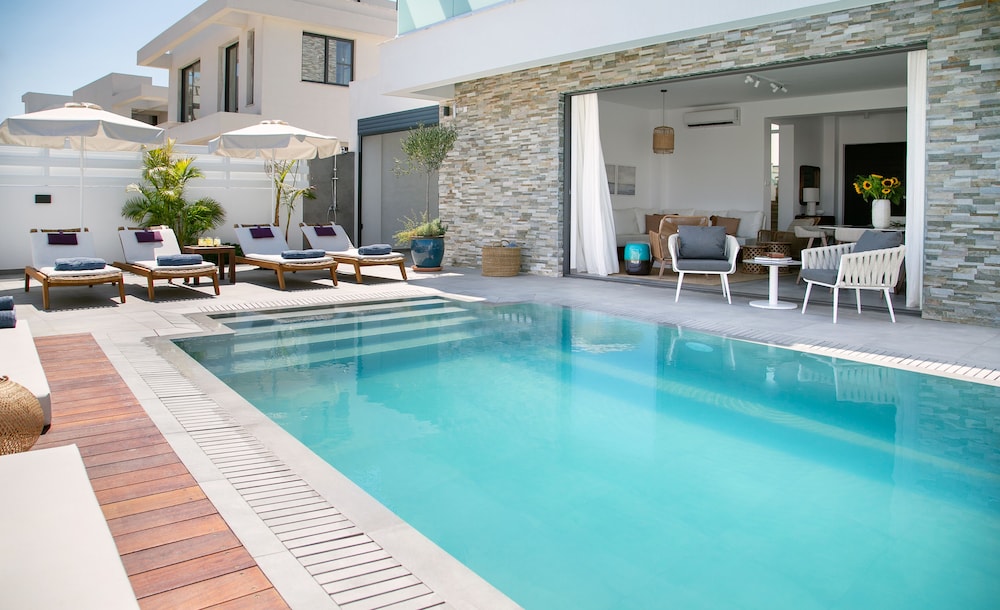
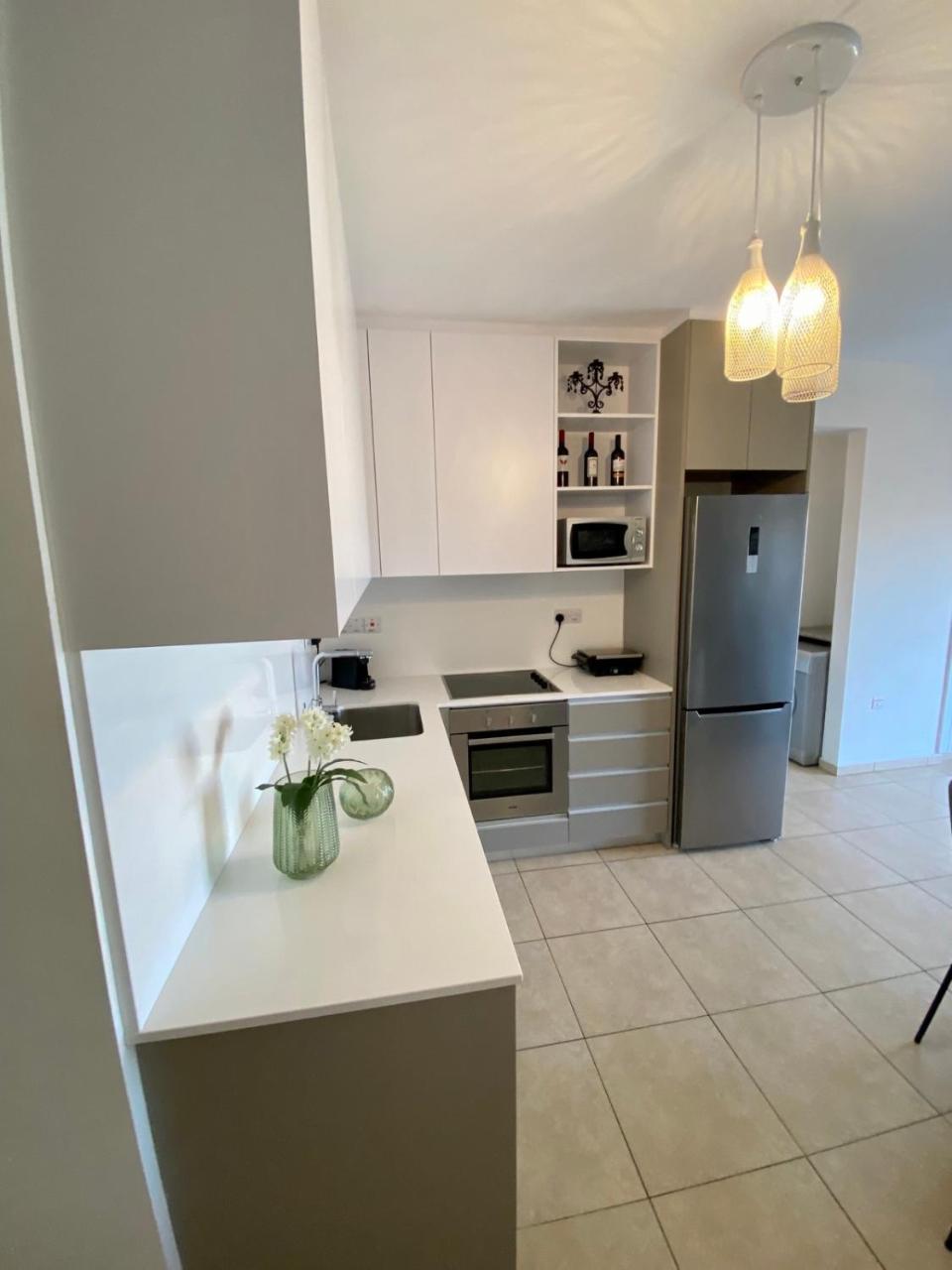
114 PRO Stay Olivia Apartment
Room
Room
Room
Room +1 photos

114 PRO Stay Olivia Apartment

Ayios Elias 30, Paralimni, Cyprus

114 PRO Stay Olivia Apartment is a budget-friendly stay in Protaras, Cyprus — a no-frills base for seeing central Protaras and the rest of the area affordably.

The surrounding Protaras district is one of the most convenient parts of Cyprus to stay in, with restaurants, cafés and transport links close by.

Because pricing is set live by the hotel and its suppliers, the figure shown here is a recent snapshot; check the current rate for your exact dates before booking.

Key facts

Class
2-star
Area
Protaras
Address
Ayios Elias 30, Paralimni, Cyprus

What’s included

Dry cleaning service Express check in Express check out Fishing Free Wifi Parking Surf Wheelchair accessible

Where to stay in Cyprus: Paphos, Limassol, Larnaca or the mountains?

Stay in Paphos if the ruins are the point of the trip — the Nea Paphos Archaeological Park with the House of Dionysos mosaics and the Tombs of the Kings are both inside the town, and Palaipaphos at Kouklia, Agios Neophytos and Petra tou Romiou are all inside 25 km. Kato Paphos puts you on the harbour front for around €120–200 a night in a 4-star in May or October, while Coral Bay, 12 km north, is quieter, more family-led and usually €20–40 cheaper for the same standard. Limassol is the most expensive base on the island: the seafront strip between the Old Port and Amathus runs €200–400 in a 5-star through summer, and it buys you Kourion, Kolossi Castle and the Amathus ruins within 20 minutes, plus the Troodos wine villages up the B8. Larnaca is the value option, typically €80–150 for a 4-star near Finikoudes, with Kition, Hala Sultan Tekke, the salt lake and Choirokoitia close by and the airport 10 minutes away. Ayia Napa and Protaras are beach-first — Nissi, Fig Tree Bay, Konnos — and their July and August rates, often €160–280, have nothing to do with archaeology.

Nicosia is the base people skip and shouldn't: the Cyprus Museum holds the finds lifted from Kourion, Salamis and Choirokoitia, so the sites make far more sense after a morning there, and city hotels are often €80–130 because they price for business travel and drop at weekends. Kyrenia and Famagusta sit north of the Green Line, reached by car through the Agios Dometios/Metehan crossing or on foot at Ledra Street; they put you next to St Hilarion, Bellapais Abbey and the vast site of Salamis, with sea-view 4- and 5-star rooms often €90–160. Polis Chrysochous and Latchi are the base for the Akamas peninsula, the Baths of Aphrodite and Lara Bay, small-scale and roughly €90–150 in season. Pissouri and Governor's Beach are quiet halfway points between Limassol and Paphos, useful if you want a car-based trip without a resort strip. For the interior, Platres, Kakopetria and Omodos offer stone-built village hotels at €70–130, cooler by 8–10°C in August, and within reach of the painted Byzantine churches at Asinou and Lagoudera; Lefkara, Pyla, Episkopi and Kiti are day-trip villages rather than bases, though Kiti's Panagia Angeloktisti and its 6th-century apse mosaic is worth the detour from Larnaca.

Best time to visit Cyprus, month by month

April, May and October are the best months for Cyprus if you plan to walk around open sites, with coastal highs of 22–28°C and Kourion or Nea Paphos bearable at midday. January and February are the cheapest months on the coast — 4-star sea-view rooms in Paphos and Larnaca fall to €55–90 — with 16–18°C days, some rain, and snow on Mount Olympus at 1,952 m, where Troodos and Platres actually get busier at weekends. March is dry, green and still cheap, and the archaeological parks are close to empty. Rates jump sharply around Orthodox Easter, which falls on 12 April in 2026, because Cypriots travel domestically and coastal hotels sell out; Limassol also spikes for Carnival, with Green Monday on 23 February in 2026. May brings sea temperatures of about 22°C and the last of the shoulder pricing before summer loading starts.

June to early September is peak: expect 33–38°C on the coast, 40°C in Nicosia, and hotel rates 60–100% above shoulder season, with the first three weeks of August the most expensive of the year. Plan site visits for the 08:15 opening and stop by noon — most state sites run 08:15–19:30 in summer and close at 17:15 from around November to March. Larnaca's Kataklysmos festival lands 50 days after Orthodox Easter, so late May or early June, and fills the seafront hotels for the long weekend. September is the sweetest compromise: sea at 27°C, the Limassol Wine Festival in the Municipal Gardens at the end of August into September, and the Paphos Aphrodite Festival staging opera against the Medieval Castle. October still gives you 24–25°C water and rates down roughly a third; from mid-November the Ayia Napa and Protaras hotels start shutting, flamingos arrive on the Larnaca Salt Lake, and the island turns into a winter city-and-mountains destination rather than a beach one.

Getting around Cyprus: car, buses and the run from the airport

There is no railway anywhere in Cyprus, so it is a car or the intercity buses, and for archaeological sites a car is genuinely needed. Driving is on the left, and the motorway network is short and fast: the A1 links Nicosia to Limassol in about an hour, the A6 runs Limassol to Paphos in 50 minutes over 70 km, the A3 reaches Ayia Napa from Larnaca in 40 minutes, and the A5 ties Larnaca to Limassol in about 45 minutes over 65 km. Hire cars run roughly €25–45 a day in July and August and €18–28 in winter, and most of the sites that matter — Choirokoitia off the A1, Palaipaphos at Kouklia, Asinou above Nikitari — have no useful bus at all. Larnaca airport to Limassol by taxi is around €70–80, to Ayia Napa €55–70, and to Nicosia €50–60; Paphos airport to Kato Paphos is about €25–30 and to Coral Bay €35–40.

If you would rather not drive, intercity coaches connect Nicosia, Limassol, Larnaca, Paphos and Ayia Napa for roughly €4–9 one way, and airport shuttle services from Larnaca and Paphos serve the main towns for about €8–15 a seat. Urban buses in Paphos and Limassol are cheap at around €1.50 a ride and do reach Coral Bay and, in summer, Kourion, but services thin out after 18:00 and barely run on Sundays. Crossing the Green Line to Kyrenia or Famagusta needs a passport; Ledra Street and the Ledra Palace crossing are pedestrian-only, while Agios Dometios/Metehan near Nicosia and Pergamos and Strovilia in the east take cars. Hire cars from the south are usually not covered by their insurance in the north, so you buy separate third-party cover at the crossing booth for roughly €20–30 for a few days, and most northern rental companies will not let their cars cross the other way. Nicosia to Kyrenia is only about 30 km through the Kyrenia range, so the north works as a two-night add-on rather than a separate holiday.

Questions, answered

Where is 114 PRO Stay Olivia Apartment located?
114 PRO Stay Olivia Apartment is in Protaras, Cyprus (Ayios Elias 30, Paralimni, Cyprus), close to central Protaras.
How much does 114 PRO Stay Olivia Apartment cost per night?
Prices are set live by the hotel — check the booking page for a real rate for your dates.
How many stars is 114 PRO Stay Olivia Apartment?
114 PRO Stay Olivia Apartment is a 2-star hotel in Cyprus.
Is Cyprus walkable, or will I be driving everywhere?
Individual towns are walkable and the island is not. Kato Paphos, the Limassol seafront, Larnaca's Finikoudes and the walled city of Nicosia are all easy on foot, and in Paphos you can walk from harbour hotels to the archaeological park and the Tombs of the Kings within 25 minutes. Between towns you need a car or the intercity coach — Limassol to Paphos is 70 km, Larnaca to Ayia Napa 45 km. The Troodos villages of Omodos, Kakopetria and Platres are compact but steep, and the sites nearby all need wheels.
Can I stay in Kyrenia or Famagusta and visit the sites in the south?
You can, but plan the crossings. Kyrenia is only about 30 km from Nicosia over the mountain road, and the Agios Dometios/Metehan crossing takes cars while Ledra Street in the old city is pedestrian-only; bring your passport each time. A car hired in Limassol or Paphos normally loses cover north of the Green Line, so you buy separate insurance at the crossing for roughly €20–30 for a few days, and cars hired in the north usually cannot come south at all. Northern rooms are often €90–160 for 4- and 5-star standard, and put you next to Salamis, St Hilarion and Bellapais Abbey. Most people treat it as a two- or three-night add-on to a southern trip rather than a base for the whole island.
What is the best area to stay in Cyprus for a first visit?
Paphos is the best first-time base, because the Nea Paphos Archaeological Park and the Tombs of the Kings are within the town itself and Kourion is 50 minutes east on the A6. It also has the widest range of 4- and 5-star hotels at €120–220 in shoulder season, plus Coral Bay 12 km north for quieter beaches. If you want restaurants, nightlife and a promenade, Limassol is the stronger choice but costs €60–100 more per night for the same standard. Larnaca suits short trips because the airport is 10 minutes from the seafront.
When is the cheapest month to visit Cyprus?
January and February are the cheapest, with 4-star coastal rooms in Larnaca and Paphos falling to around €55–90 a night and hire cars at €18–28 a day. Days sit at 16–18°C on the coast, which is fine for Kourion, Choirokoitia and the Nicosia museums but too cool for swimming outdoors. March is nearly as cheap and drier, and the archaeological parks are almost empty. Avoid the week around Orthodox Easter, 12 April in 2026, when domestic demand pushes coastal rates up sharply.
How many nights do you need in Cyprus?
Seven nights is the sensible minimum, split as three in Paphos, two in Limassol and two in Larnaca, which covers the main sites with about 300 km of driving. Ten to twelve nights lets you add Nicosia for the Cyprus Museum and one or two nights in Platres or Kakopetria for the painted Byzantine churches. Fourteen nights makes Kyrenia and Salamis in the north comfortable as a two- or three-night leg. A single-base fortnight does not work well, since Paphos to Ayia Napa is 190 km each way.
Find your room by the sea
Compare the same rooms at the same prices you would pay anywhere else, and remove a verified tonne of CO2 with every booking.
Search hotels