Operetta House
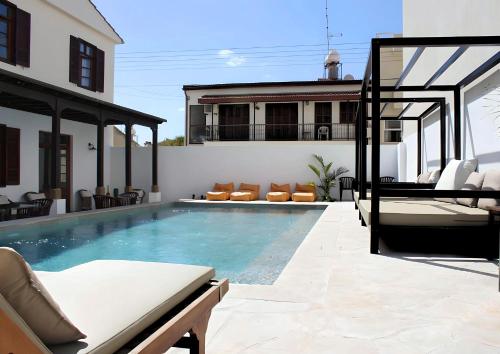
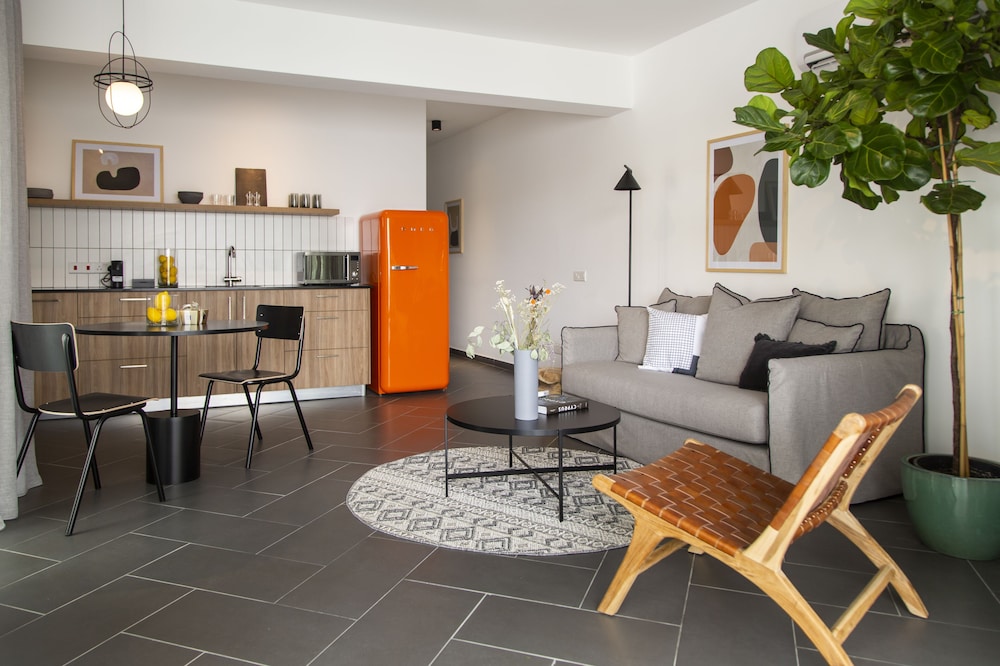
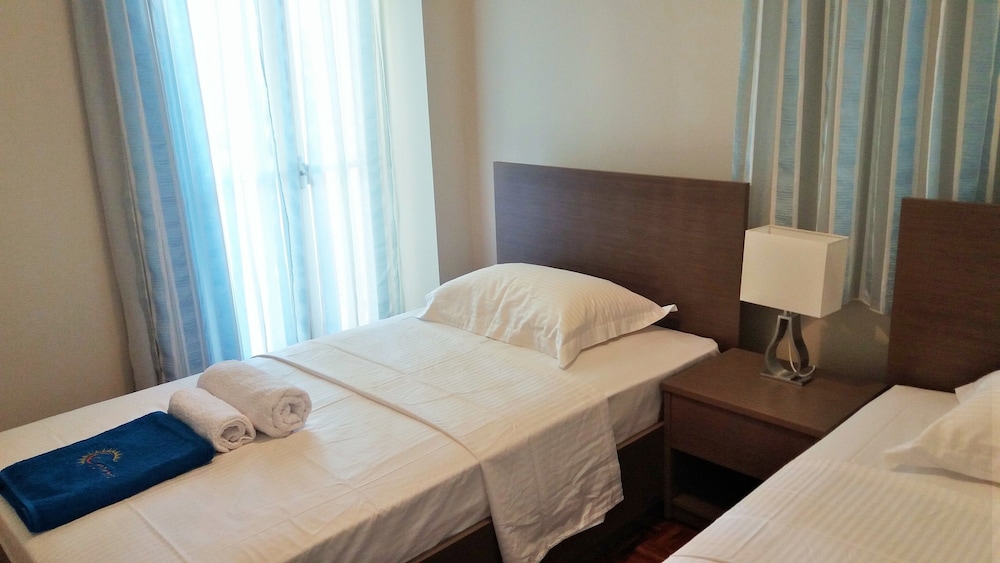
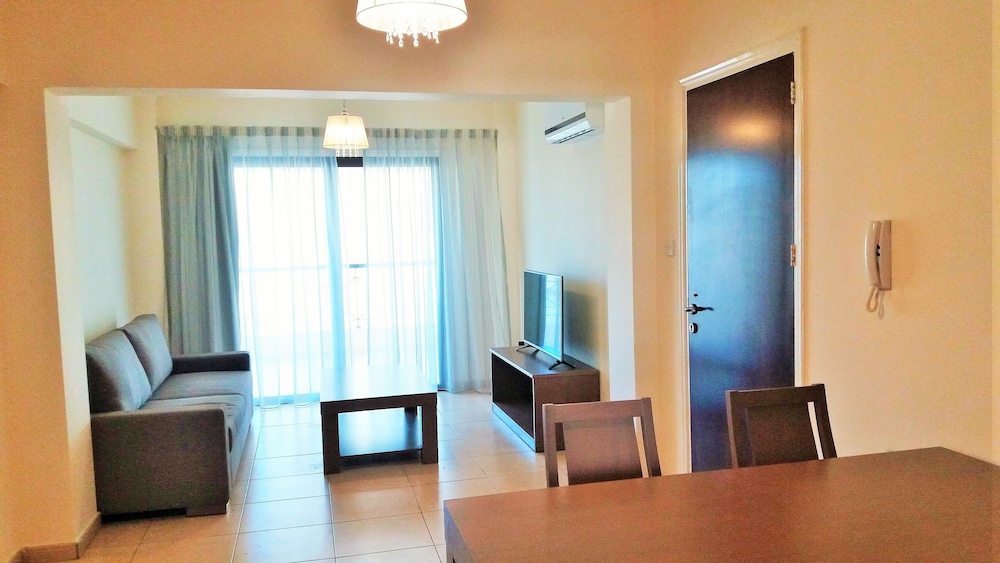
Looking for a straightforward base in Cyprus? Operetta House in Larnaca covers the essentials and sits near central Larnaca.
From here, Cyprus's main attractions — including central Larnaca — are an easy walk or short ride away, so you spend less time in transit and more time exploring.
Rates shift with the season and with demand, so the live price on the booking page is always the one to trust — tap through for tonight's or your dates' real availability.
Key facts
What’s included
Around Larnaca
Best time to visit Cyprus, month by month
April, May and October are the best months for Cyprus if you plan to walk around open sites, with coastal highs of 22–28°C and Kourion or Nea Paphos bearable at midday. January and February are the cheapest months on the coast — 4-star sea-view rooms in Paphos and Larnaca fall to €55–90 — with 16–18°C days, some rain, and snow on Mount Olympus at 1,952 m, where Troodos and Platres actually get busier at weekends. March is dry, green and still cheap, and the archaeological parks are close to empty. Rates jump sharply around Orthodox Easter, which falls on 12 April in 2026, because Cypriots travel domestically and coastal hotels sell out; Limassol also spikes for Carnival, with Green Monday on 23 February in 2026. May brings sea temperatures of about 22°C and the last of the shoulder pricing before summer loading starts.
June to early September is peak: expect 33–38°C on the coast, 40°C in Nicosia, and hotel rates 60–100% above shoulder season, with the first three weeks of August the most expensive of the year. Plan site visits for the 08:15 opening and stop by noon — most state sites run 08:15–19:30 in summer and close at 17:15 from around November to March. Larnaca's Kataklysmos festival lands 50 days after Orthodox Easter, so late May or early June, and fills the seafront hotels for the long weekend. September is the sweetest compromise: sea at 27°C, the Limassol Wine Festival in the Municipal Gardens at the end of August into September, and the Paphos Aphrodite Festival staging opera against the Medieval Castle. October still gives you 24–25°C water and rates down roughly a third; from mid-November the Ayia Napa and Protaras hotels start shutting, flamingos arrive on the Larnaca Salt Lake, and the island turns into a winter city-and-mountains destination rather than a beach one.
Getting around Cyprus: car, buses and the run from the airport
There is no railway anywhere in Cyprus, so it is a car or the intercity buses, and for archaeological sites a car is genuinely needed. Driving is on the left, and the motorway network is short and fast: the A1 links Nicosia to Limassol in about an hour, the A6 runs Limassol to Paphos in 50 minutes over 70 km, the A3 reaches Ayia Napa from Larnaca in 40 minutes, and the A5 ties Larnaca to Limassol in about 45 minutes over 65 km. Hire cars run roughly €25–45 a day in July and August and €18–28 in winter, and most of the sites that matter — Choirokoitia off the A1, Palaipaphos at Kouklia, Asinou above Nikitari — have no useful bus at all. Larnaca airport to Limassol by taxi is around €70–80, to Ayia Napa €55–70, and to Nicosia €50–60; Paphos airport to Kato Paphos is about €25–30 and to Coral Bay €35–40.
If you would rather not drive, intercity coaches connect Nicosia, Limassol, Larnaca, Paphos and Ayia Napa for roughly €4–9 one way, and airport shuttle services from Larnaca and Paphos serve the main towns for about €8–15 a seat. Urban buses in Paphos and Limassol are cheap at around €1.50 a ride and do reach Coral Bay and, in summer, Kourion, but services thin out after 18:00 and barely run on Sundays. Crossing the Green Line to Kyrenia or Famagusta needs a passport; Ledra Street and the Ledra Palace crossing are pedestrian-only, while Agios Dometios/Metehan near Nicosia and Pergamos and Strovilia in the east take cars. Hire cars from the south are usually not covered by their insurance in the north, so you buy separate third-party cover at the crossing booth for roughly €20–30 for a few days, and most northern rental companies will not let their cars cross the other way. Nicosia to Kyrenia is only about 30 km through the Kyrenia range, so the north works as a two-night add-on rather than a separate holiday.
How many nights in Cyprus, and a first-timer's route
Seven nights is the working minimum if you want the main archaeological sites and some beach time; 10 to 14 covers both coasts, the Troodos churches and the north without rushing. A clean seven-night shape: three nights in Paphos for the Nea Paphos park, the Tombs of the Kings, Agios Neophytos and a day out to Latchi and the Akamas; two nights in Limassol for Kourion, the Sanctuary of Apollo Hylates at Episkopi, Kolossi Castle and Amathus; then two nights in Larnaca for Kition, Hala Sultan Tekke, Choirokoitia and Angeloktisti at Kiti before flying out of LCA. That route is about 300 km of driving in total and never asks for more than 90 minutes behind the wheel in one go.
With 10 nights, insert one or two nights at Platres or Kakopetria to reach the UNESCO-listed painted churches — Agios Nikolaos tis Stegis, Asinou, Panagia tou Araka — and Kykkos Monastery, then two nights in Nicosia for the Cyprus Museum and the walled city. With 12 to 14, add Kyrenia for Salamis, St Hilarion and Bellapais, or trade the mountains for Protaras and Cape Greco if the group wants swimming. Do not try to base yourself in one town for a fortnight and day-trip everything: Paphos to Ayia Napa is 190 km and close to two and a half hours each way. Two or three bases beats one, and hotels in Cyprus rarely penalise short stays outside August, when some resorts in Ayia Napa impose a five- or seven-night minimum.